Your outboard gearbox (the lower unit) spends its whole life underwater, spinning the propeller shaft through a set of gears and bearings bathed in oil. Changing that oil once a season is one of the cheapest, easiest jobs you can do on a boat, and the old oil tells you a lot about the health of your gearbox. Here is how to do it yourself.
How often should you change gear oil?
Most manufacturers recommend changing lower unit oil every 100 running hours or once a year, whichever comes first. The best time is at the end of the season, before storage, so any water that has crept in does not sit in the gearbox over winter. Always check your manual for the interval on your engine.
What you need
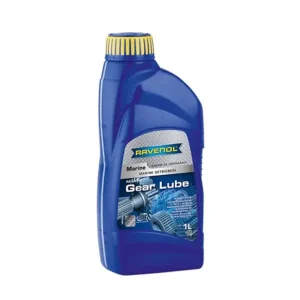
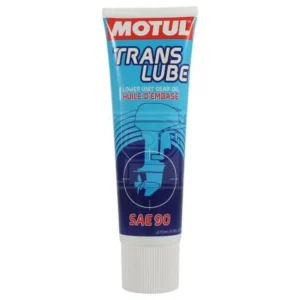
- The right gear oil for your engine, usually a marine hypoid gear oil in SAE 80W-90 or 90. We stock Ravenol Marine Gear Lube, 1 litre and Motul Translube, 350ml.
- A gear oil pump or tube that screws into the drain hole.
- A flat screwdriver or the correct socket for the drain and vent screws.
- New sealing washers or gaskets for both screws. Reusing old ones is a common cause of leaks.
- A drain pan, rags and gloves.
How much oil? Capacity varies a lot between engines. Small portable outboards can take well under 350ml, while larger engines can take close to a litre. Check your manual before ordering so you have enough to fill it in one go.
Step by step: changing outboard gear oil
- Position the engine. Trim the outboard fully down so the lower unit is vertical, and make sure the engine is off and cannot be started.
- Find the two screws. The drain and fill screw is at the bottom of the lower unit, usually just above the skeg. The vent screw is higher up, above the anti ventilation plate. Some engines have two vent screws.
- Remove the bottom drain screw first, with the drain pan underneath. Then remove the top vent screw. Letting air in from the top lets the oil drain fully.
- Let it drain completely and inspect the oil as it comes out (see below). Wipe any metal paste off the magnetic drain screw.
- Refill from the bottom. Screw the pump tube into the bottom hole and pump oil in until it starts to come out of the vent hole with no air bubbles. Filling from the bottom pushes air out and fills the gearbox properly.
- Refit the vent screw first, with a new washer, while the pump is still in the bottom hole. This creates a vacuum that stops oil running out.
- Remove the pump and quickly refit the drain screw with its new washer. Tighten both screws firmly but do not over tighten.
- Wipe down and check for leaks after your next run.
What your old gear oil is telling you
| What you see | What it usually means |
|---|
| Clean, amber or dark oil | Normal. The gearbox is sealed and healthy. |
| Milky, creamy or grey oil | Water is getting in, usually past the prop shaft or drive shaft seals. Have the seals checked before using the boat again. |
| Water drains out before the oil | A significant leak. Do not run the engine until the seals are replaced. |
| Fine grey paste on the magnet | Normal wear in small amounts. |
| Metal chips, flakes or chunks | Gear or bearing damage. Have a marine mechanic inspect the gearbox. |
| Burnt smell | Overheating, low oil or heavy wear. Get it checked. |
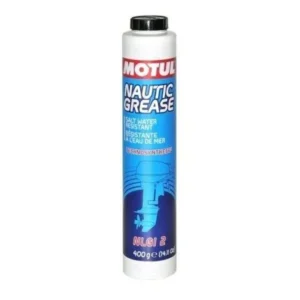
Caught fishing line? Fishing line wrapped around the propeller shaft is a common cause of damaged seals and milky gear oil. Pull the prop now and then, clear any line and grease the shaft splines with marine grease.
Do it with the rest of your service
Gear oil is one part of a basic service. While the engine is out of the water, change the engine oil, fit new spark plugs and grease the fittings. See our outboard service parts checklist and our guide to choosing outboard oil.
If you find milky oil or metal chips, stop there and book the engine in with a marine mechanic. Catching a seal leak early is far cheaper than rebuilding a gearbox.